

The House Edge: Understanding the Gaming Advantage
The house edge is a critical aspect of casino games that many players overlook. This mathematical advantage ensures that the casino will always come out ahead over time, regardless of individual game outcomes. For example, in games like roulette, the presence of zeroes gives the house a significant edge, which can lead to substantial losses for players. Players seeking to minimize their losses might consider options like casino neosurf as a payment method that offers benefits and security, ultimately helping them make informed decisions about which games to play, how much to bet, and when to walk away.
Moreover, the house edge varies from game to game, with some offering better odds than others. For instance, blackjack traditionally has a lower house edge compared to slots. This information is often downplayed by casinos, which promotes more glamorous and high-risk games to lure players into spending more money. By choosing games with a lower house edge, players can extend their gaming experience and improve their chances of winning in the long run.
Additionally, casinos utilize various strategies to maintain this edge, including the design of games and payout structures. Many slot machines, for instance, are programmed to give back a certain percentage of bets, known as the payout percentage. However, this percentage is often designed to keep players engaged while ensuring the casino profits. Therefore, being cognizant of the house edge can arm players with the knowledge necessary to enhance their gambling strategies.
The Psychology of Gambling: How Casinos Manipulate Emotions
Casinos are designed to evoke strong emotions that keep players engaged and spending money. From the vibrant colors to the sounds of winning, every element is meticulously crafted to create an exhilarating atmosphere that can lead to impulsive decisions. These emotional triggers are not coincidental; they are strategically implemented to enhance the gaming experience. Players often underestimate how their emotions can influence their judgment, which is precisely how casinos capitalize on this psychological aspect.
Additionally, casinos employ techniques such as near-misses and intermittent rewards to stimulate excitement and keep players at the gaming tables for longer periods. For instance, hitting two out of three jackpot symbols may create a false sense of hope, encouraging players to continue betting in pursuit of that elusive win. This psychological phenomenon creates a cycle of excitement and disappointment, pushing players to gamble more than they initially intended.
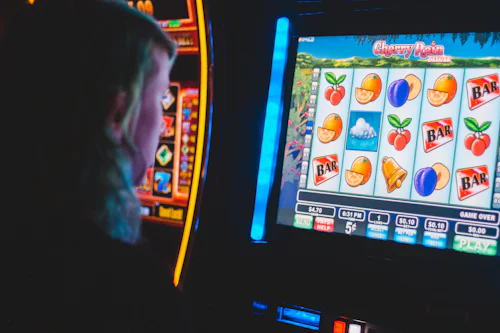
The layout of casinos plays a significant role in this emotional manipulation as well. Most casinos are designed without windows or clocks, creating an environment where players lose track of time. This deliberate tactic turns a casual visit into an extended gambling session. Understanding these psychological tactics can empower players to recognize when their emotions are steering them toward poor decisions, allowing for more controlled and responsible gambling.
Loyalty Programs: The Double-Edged Sword
Many casinos offer loyalty programs designed to reward frequent players, often luring them with significant benefits such as free meals, rooms, or even cash back. However, while these programs may initially seem advantageous, they can also lead to increased spending as players feel pressured to maintain their status or earn rewards. As players chase these perks, they may end up losing more than they gain, making this strategy a double-edged sword.
Moreover, loyalty programs can create an illusion of winning. Players might perceive rewards as a form of profit, even if they have lost money overall. For instance, receiving complimentary chips or entry into a drawing may seem like a win, but if those rewards are not carefully managed, they can lead to further losses. Understanding the true value of loyalty rewards is crucial for players who wish to maintain a balanced approach to gambling.
Additionally, casinos constantly monitor player activity to tailor these loyalty programs to enhance engagement. The more a player gambles, the more tempting the rewards become. This personalization can lead to players spending beyond their limits to achieve the next tier of benefits. Recognizing the intricacies of loyalty programs can assist players in making educated decisions about their gambling habits and help them avoid falling into the trap of excessive spending.
Slot Machines: The Myths and Realities
Slot machines are among the most popular attractions in casinos, yet many players harbor misconceptions about how they work. A common myth is that players can predict when a machine is due for a payout. In reality, most slot machines operate on random number generators (RNGs), meaning every spin is independent of the last. This reliance on RNG technology ensures that outcomes are entirely unpredictable, making it impossible to forecast when a machine will pay out.
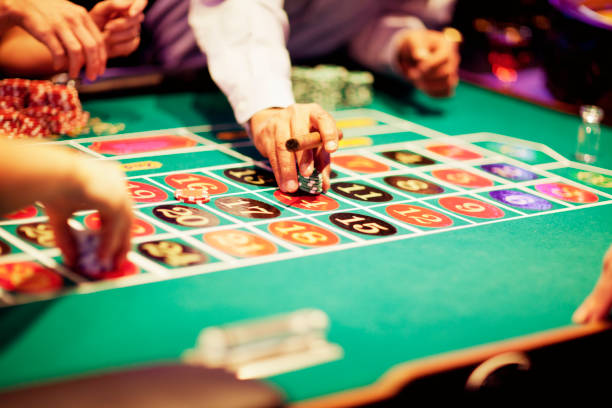
Furthermore, while some players believe that playing for longer periods increases their chances of winning, the odds remain the same no matter the duration of play. Casinos often promote specific machines as “hot” or “cold,” but these terms are misleading. A machine that paid out recently does not guarantee a return on subsequent plays. Understanding how slot machines function can help players avoid the common pitfalls associated with chasing losses based on these myths.
Moreover, it’s essential to consider the payout percentages of slot machines, which can vary widely. While some machines boast higher payout rates, others may have significantly lower returns. Players should be proactive in seeking out machines with more favorable odds rather than relying on the allure of bright lights and catchy sounds. Recognizing the true nature of slot machines can lead to a more informed and strategic gambling experience.
Exploring Responsible Gambling Practices
In the quest for entertainment, responsible gambling practices must be emphasized to ensure that players maintain control over their gaming activities. Many casinos offer tools and resources to support responsible gambling, including self-exclusion programs and setting betting limits. However, awareness and utilization of these resources often hinge on the willingness of players to acknowledge their gambling habits and seek help when necessary.
Establishing personal limits is a crucial first step in responsible gambling. By deciding in advance how much money and time to spend at the casino, players can enjoy their experience without succumbing to the temptation of excessive betting. This strategy minimizes the risk of chasing losses and aids in making more rational decisions during gameplay. The importance of setting limits cannot be overstated, as it serves as a safeguard against the inherent risks of gambling.
Additionally, understanding the signs of problem gambling is vital for both players and their loved ones. Symptoms may include financial difficulties, withdrawal from social activities, or neglecting responsibilities. Being aware of these indicators can prompt individuals to seek assistance and make necessary changes to their gambling behavior. The road to responsible gambling involves recognizing personal limits, understanding the risks, and taking proactive steps to ensure a safe and enjoyable experience.